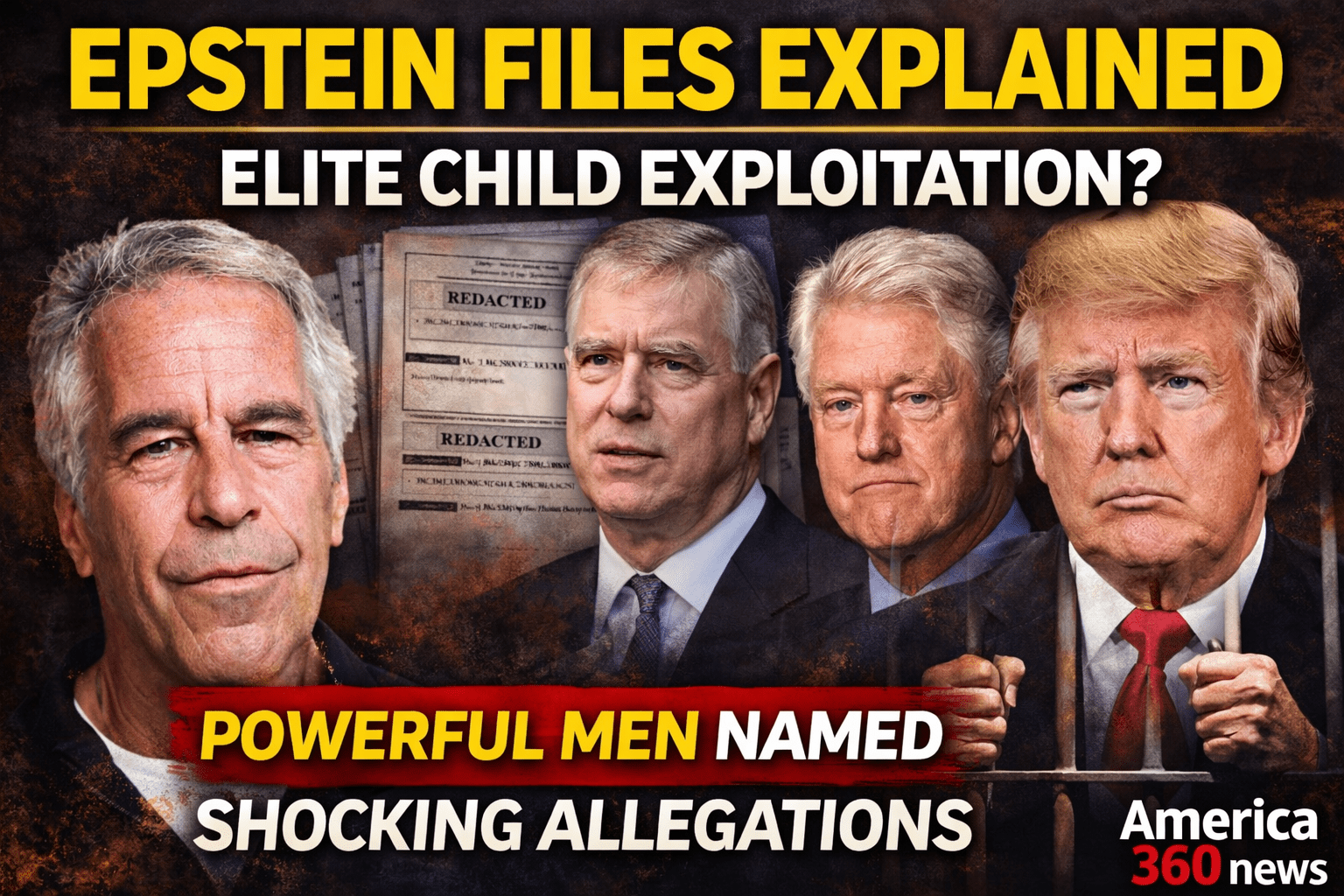
Epstein Files Explained: How a Global Elite Network Was Exposed —Reveal About Powerful Men and Child Exploitation Allegations
What are the Epstein Files? This in-depth investigation explains the court documents, allegations, and involvement of powerful figures in Jeffrey Epstein’s global child exploitation scandal. A detailed analysis for US and global readers.
Why the Epstein Files Still Matter in 2026
Years after the death of Jeffrey Epstein, the controversy surrounding his case refuses to fade. Court documents, flight logs, witness testimonies, and sealed records — collectively referred to as the “Epstein Files” — continue to spark public debate across the United States and globally.
The case is not just about one man. It raises disturbing questions about power, privilege, accountability, and the exploitation of vulnerable children. Allegations suggest that influential businessmen, politicians, academics, and global elites were connected to Epstein’s social and financial circles.
But what do the files actually say? And what remains allegation versus confirmed fact?
This detailed guide explains the background, the documents, the legal developments, and what the public should understand — without speculation.
Who Was Jeffrey Epstein?
Jeffrey Epstein was a wealthy financier who built connections with some of the most powerful individuals in the world. In 2008, he pleaded guilty in Florida to state charges related to soliciting prostitution from a minor. That plea deal, often criticized as unusually lenient, allowed him to serve minimal jail time.
In 2019, he was arrested again on federal sex trafficking charges involving minors. Weeks later, he died in a jail cell in New York. His death was officially ruled a suicide, but it fueled global conspiracy theories.
The broader investigation did not end with him.

What Are the “Epstein Files”?
The Epstein Files refer to:
-
Federal indictments
-
Civil lawsuits
-
Deposition transcripts
-
Witness testimonies
-
Flight logs from Epstein’s private jet
-
Address books and contact lists
-
Court-ordered document releases
Many of these records were made public through lawsuits filed by victims, particularly in cases linked to associate Ghislaine Maxwell, who was later convicted in 2021 on sex trafficking-related charges.
These files do not automatically mean guilt for every person named. Some individuals appeared in flight logs or contact books without being charged with wrongdoing. However, the documents reveal the extraordinary scope of Epstein’s network.
The Allegations: A Pattern of Exploitation
According to court records, Epstein allegedly:
-
Recruited underage girls under the guise of massage therapy work
-
Paid victims to recruit other minors
-
Used multiple properties, including homes in New York, Florida, and a private island
-
Leveraged wealth and influence to maintain secrecy
Victims described manipulation, coercion, and exploitation. The legal system later recognized multiple survivors in civil and criminal proceedings.
It is critical to note that allegations in court filings reflect claims made under oath, but not all claims resulted in criminal convictions against third parties.
Powerful Figures Mentioned in the Epstein Files
One of the most controversial aspects involves the names of influential individuals appearing in documents.
Public records show social connections between Epstein and high-profile figures such as:
Important clarification:
Being mentioned in documents, flight logs, or contact books does not automatically imply criminal conduct. Some individuals denied wrongdoing. In certain cases, civil settlements occurred without admission of guilt.
For example, Prince Andrew settled a civil lawsuit in 2022 but did not admit liability. Others have consistently denied any involvement in criminal activity.
The files reveal social proximity — but legal responsibility depends on court findings, not public speculation.
Why the Epstein Files Case Sparked Global Outrage
The Epstein scandal struck a nerve because it highlighted:
-
How wealth can influence legal outcomes
-
Failures in earlier plea agreements
-
Protection systems for elites
-
The vulnerability of minors in trafficking networks
For many Americans, the case became symbolic of a justice system perceived as unequal.
The 2008 plea deal remains one of the most criticized aspects of the case. Federal prosecutors later admitted that victims were not properly informed of the agreement at the time
The Role of Ghislaine Maxwell
Ghislaine Maxwell was accused of helping recruit and groom underage girls for Epstein. In 2021, she was convicted in federal court and later sentenced to prison.
Her trial revealed detailed testimony about how victims were allegedly targeted and exploited.
Maxwell’s conviction marked one of the few major legal outcomes tied directly to Epstein’s network.
Fact vs Speculation
Because Epstein died before trial, many unanswered questions remain. This vacuum led to online conspiracy theories.
Here is what is confirmed:
✔ Epstein faced federal trafficking charges
✔ Maxwell was convicted
✔ Multiple victims testified under oath
✔ Some high-profile figures were socially connected
What remains unproven:
✖ Claims that every person named was involved in crimes
✖ Allegations without supporting evidence in court
✖ Political narratives using the case selectively
Responsible reporting requires distinguishing documented evidence from rumor.
Global Impact of the Epstein Files Case
The case influenced:
-
US legal reforms around trafficking
-
Greater scrutiny of elite social networks
-
Public distrust in institutional accountability
-
International discussions about child protection laws
Governments worldwide have since strengthened laws against trafficking and online exploitation.
Why the Epstein Files Continue to Be Released
Several court battles have centered around unsealing documents in the interest of transparency. Judges have ruled that certain materials should be public, especially when linked to civil proceedings.
Transparency advocates argue that public access ensures accountability. Critics warn that naming individuals without context can damage reputations unfairly.
Lessons for the Future
The Epstein Files case demonstrates:
-
The need for stronger victim protections
-
Transparency in plea deals
-
Accountability regardless of wealth or status
-
Vigilance against trafficking networks
Child exploitation is a global issue that requires systemic solutions, not political weaponization.
A Case Bigger Than One Man
The Epstein Files are not just about a scandal. They represent a deeper examination of power, justice, and institutional responsibility.
While the documents expose disturbing allegations, it is essential to rely on verified legal findings rather than viral speculation.
For America and the world, the lasting question is simple:
Can justice truly be equal — even for the powerful?